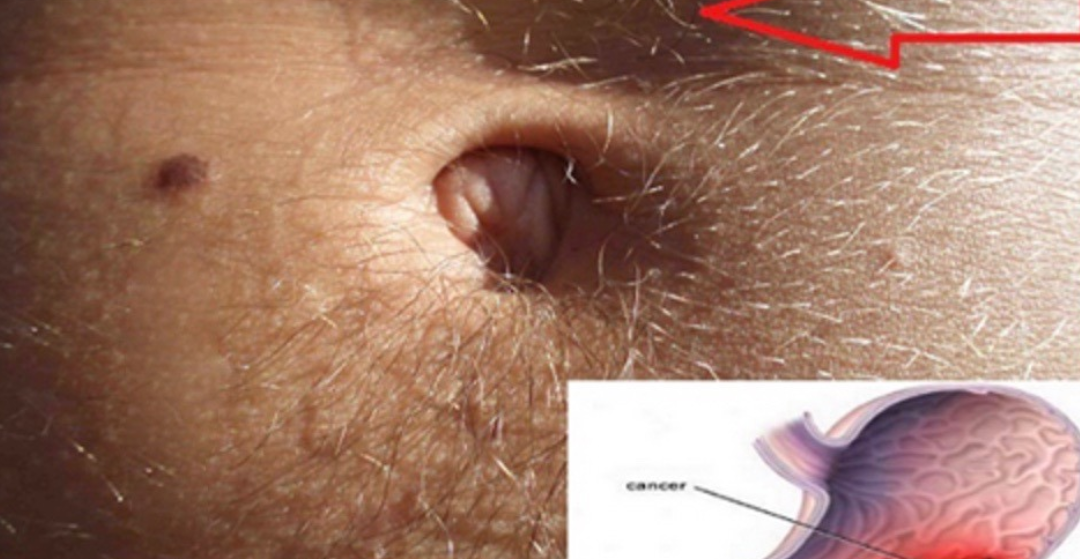
Mild and vague: A burning, pressure, or tingling sensation in the upper abdomen.
Severe and constant: Severe, persistent pain that may radiate to the back.
Worsens after eating: The pain may increase after eating, especially fatty or spicy foods.
Living without a stomach:
In some severe cases of stomach cancer, it may be necessary to remove all or part of the stomach. With proper medical care, it is possible to live a full life without a stomach. Treatment includes nutritional management, digestive enzyme supplementation, and dietary changes to ensure adequate nutrient absorption.
Risk factors:
H. pylori infection: A bacterium that lives in the stomach and can cause gastritis and ulcers, increasing the risk of cancer.
Smoking: Smoking is one of the major risk factors for stomach cancer.
Diet high in salty, smoked, and processed foods: These foods can increase the risk of developing the disease.
Family history of stomach cancer: People with close relatives who have had the disease have a higher risk of developing it.
Obesity: Excess body weight can increase the risk of stomach cancer.
Excessive alcohol consumption: Excessive alcohol consumption can increase the risk of developing the disease.
Autoimmune disease: Diseases such as pernicious anemia and autoimmune atrophic gastritis can increase the risk of stomach cancer.
When can gastritis turn into cancer?
Gastritis, an inflammation of the stomach lining, does not usually turn into cancer. However, some types of gastritis, such as autoimmune atrophic gastritis, can increase the risk of developing stomach cancer.
Cure:
The chances of curing stomach cancer depend on the stage of the disease at diagnosis. Early diagnosis is essential to increase the chances of a cure. Treatment may include surgery, chemotherapy, radiation therapy, or targeted therapy, depending on the individual case.
Remember:
This informational content is not a substitute for specialized medical care.
Consult a doctor if you experience any of the symptoms mentioned above, especially if they persist.
Early diagnosis is crucial for successful stomach cancer treatment.
Adopting healthy habits, such as a balanced diet, avoiding tobacco and excessive alcohol consumption, and undergoing preventive screenings can help reduce your risk of developing the disease.
Share your questions and experiences in the comments!
NATURAL PREVENTION
Your food should be as natural as possible. Stay away from sugar, processed meats, alcoholic beverages, and cigarettes.
Invest in turmeric.
Studies show that curcumin, turmeric's main antioxidant, inhibits the growth of many types of cancer, such as colon, prostate, ovarian, breast, and brain cancer, and also inhibits angiogenesis (the formation of new blood vessels to feed the tumor). But how and how often should you use it?
Turmeric consumed alone or in capsule form is very ineffective because almost none of it is absorbed in the intestine. The secret to getting turmeric to cross the intestinal barrier is to consume it with ginger or black pepper, reveals Dr. Carolyn Anderson.
Pepper, in particular, increases the body's absorption of turmeric by up to 2,000 percent. It should also be dissolved in olive oil. Here's a great suggestion:
INGREDIENTS
1/4 teaspoon saffron/turmeric
1/2 teaspoon extra virgin olive oil
A generous pinch of black pepper
PREPARATION METHOD
Continued on the next page