
The man who abandoned them was, in fact, their biological father. There was no betrayal or deception, only ignorance. The…
Recipes

Common back-pain drug may be linked to higher dementia risk, large study finds
According to a major new study, a pain medication that millions of Americans rely on for chronic back pain may…

I Found These At My Grandma’s House And Have No Idea What They AreFinding mysterious objects at your grandma’s house can be like uncovering a tiny treasure chest of history. What you’ve discovered are likely thimbles, small tools with a surprisingly rich and fascinating past. Though they may seem simple, these little objects have played a significant role in various cultures and across many centuries, evolving from practical tools into beautiful collectibles. More Than Just a Sewing Tool: The Journey of a Thimble: The history of the thimble is a long and interesting one. The very first thimbles were discovered in places like ancient Pompeii, dating back to the 1st century AD. These early versions were often made of simple, sturdy bronze and were created for one main purpose: to protect a sewer’s finger from a sharp needle. Over time, thimbles began to take on more creative and decorative forms. In medieval Europe, they were made from various materials like leather, wood, and different metals. By the 14th century, Nuremberg, Germany, became famous for its expertly crafted brass thimbles. As time went on, thimbles transformed into luxury items. The 17th century saw the creation of stunning silver and gold thimbles, which were often decorated with beautiful enamel and precious gems. Continued on next page// From Practical Tools to Cultural Icons: While we often think of thimbles as strictly for sewing, they were used by many different artisans. Bookbinders, lacemakers, and leatherworkers all relied on these small tools to protect their fingers while working on their crafts. Thimbles also found their way into popular culture. In the classic story of Peter Pan, a thimble was famously used to symbolize a kiss, highlighting its role as a familiar, everyday object. They even appeared as a playing piece in the popular board game Monopoly, which shows just how common sewing was in daily life for a long time. Continued on next page// The Evolution from Tool to Treasure: Today, thimbles are often seen as precious collectibles rather than just tools. People who collect them, known as thimblers, seek out pieces made from various materials like porcelain, silver, and bone, often focusing on a specific time period or design style. Some thimbles are so special that they are displayed in museums, such as the Fingerhut Museum in Germany, which showcases thousands of unique thimbles. Each one tells a unique story about its maker and its journey through time.
Finding mysterious objects at your grandma’s house can be like uncovering a tiny treasure chest of history. What you’ve discovered…

16 warning signs of cancer
Rectal bleeding or blood in the stool : a warning sign of colorectal cancer. Swelling in the neck, armpits or groin :…

Exploring the Juicy Steak: A Comprehensive Look at a Culinary Treat
There’s something undeniably captivating about a perfectly cooked steak. With its rich, savory flavor and tender, juicy bite, steak has…
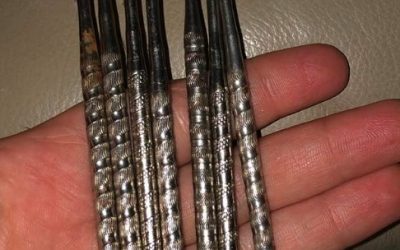
“My Friend’s Grandparents Passed and He Grabbed These — But Has No Idea What They Are”
👉 The Heartfelt Story Behind Vintage Nut Picks & Crackers 💛 Sometimes, the most meaningful heirlooms aren’t the expensive antiques…
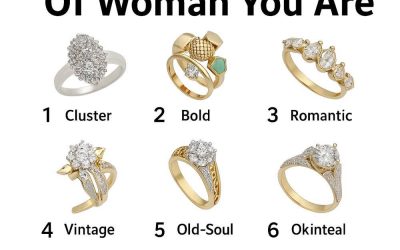
💍 The Ring You Pick Reveals What Kind of Woman You Are
💍 The Ring You Pick Reveals What Kind of Woman You Are Every ring tells a story — about your heart,…

What is That Little Hole At The Bottom of a Padlock For?
A padlock is a common item that serves a major purpose. People use them for their bikes, outdoor sheds, toolboxes,…

In the yard I found a slimy, reddish creature that emanated an unpleasant smell: I was horrified when I realized that it was
This morning, I went out into the yard—just to water the flowers and check if the cats had scattered litter,…